Vinyl Siding or Fiber Cement: How to Choose for Your Sacramento Home
If you are standing in your driveway, looking at faded siding and trying to decide between vinyl and fiber cement, the choice can feel bigger than it sounds. Siding is not paint. You live with it for years. It changes how your house handles weather, how much upkeep lands on your weekends, and how confident you feel every time summer heat settles over Sacramento.
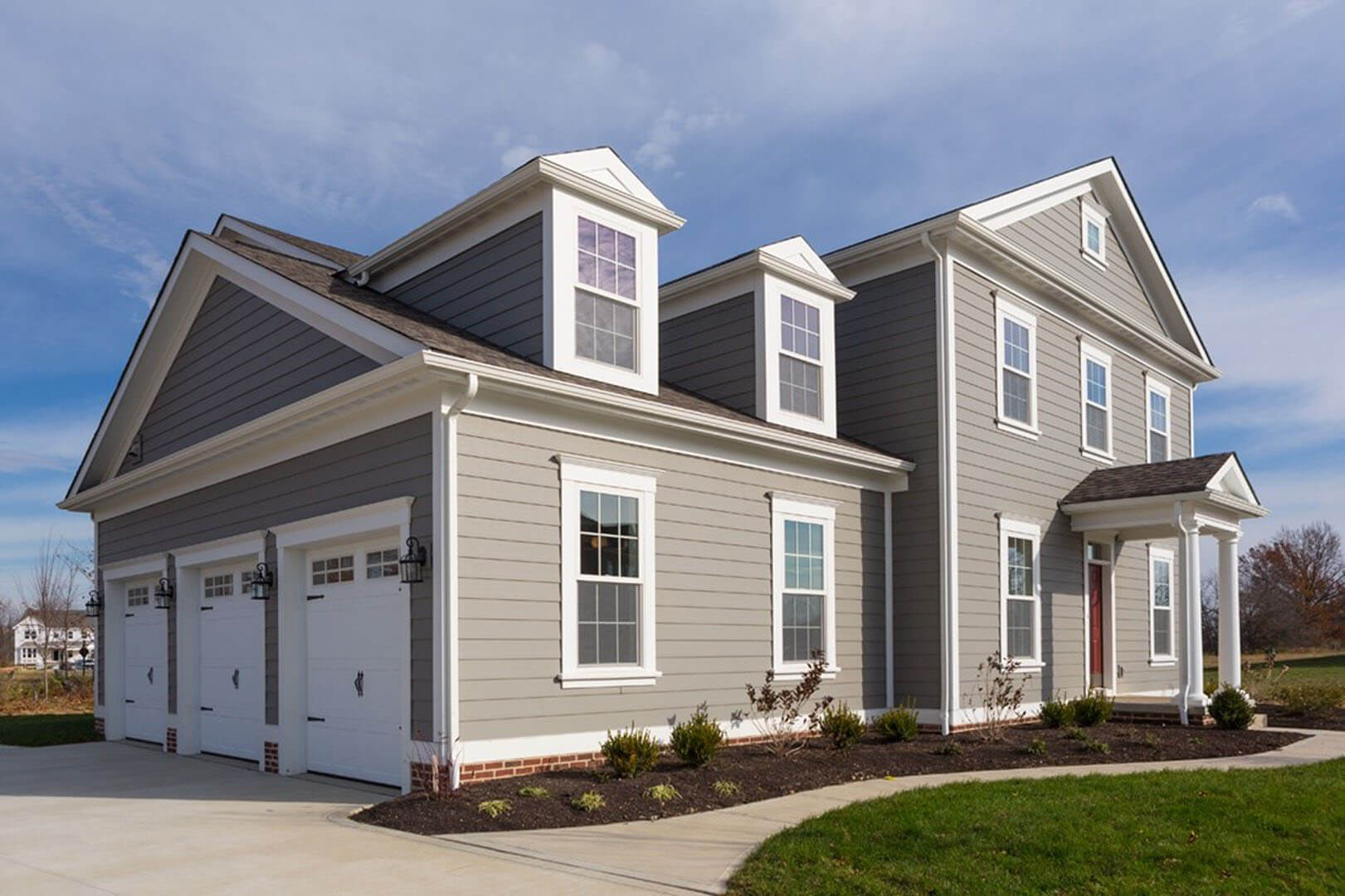
This is also one of those decisions where the local climate matters more than a generic national article admits. Sacramento has a hot-summer Mediterranean climate, with long, hot, dry summers. That one fact shapes a lot. It affects how exterior materials age, how the house gains heat, and how closely homeowners start paying attention to the envelope of the home, not just the color of the walls.
A clean, honest way to approach this choice is to separate proven product facts from assumptions. Fiber cement has some clearly stated performance points from a major manufacturer. Vinyl, on the other hand, should be evaluated more product by product, with documentation from the specific brand and line you are considering. That may sound less dramatic than a hard recommendation, but it is how good exterior decisions get made.
Start with Sacramento, not the showroom sample
Sacramento homes spend a long stretch of the year dealing with heat. Even if you are mostly shopping for curb appeal, your siding choice does not exist in isolation. It sits on the outside of a house that is trying to stay cooler, and often sits right next to windows that may be doing a lot of the heavy lifting when temperatures climb.
That is one reason many homeowners end up talking to a window and siding contractor rather than treating these as separate projects. A contractor who understands both parts of the exterior can look at the whole picture. Sometimes the siding is the visible problem, but the windows are where the energy loss or solar heat gain is really showing up in the utility bills. Sometimes it is the other way around.
ENERGY STAR bases window performance criteria on NFRC ratings, and those criteria vary by climate zone. That matters in Sacramento because product choice should match the local climate, not just a national marketing brochure. ENERGY STAR also explains that lower solar heat gain can help block heat from sunlight. In a place with long hot summers, that kind of cooling-focused performance deserves attention.
This does not make siding unimportant. It means you get the best decision when you view siding as part of an exterior system. If you are already budgeting for a major façade update, it is smart to at least discuss whether windows belong in the same conversation.
What fiber cement brings to the table
Fiber cement gets a lot of attention for a reason, and some of that reason is straightforward performance language from the manufacturer. James Hardie states that its fiber cement siding is engineered to exterior design Sacramento resist moisture and rot. The company also says the product will not ignite when exposed to direct flame or contribute fuel to a fire. Those are meaningful claims because they address two homeowner worries that tend to stick around for years after installation, moisture-related deterioration and fire behavior.
James Hardie also describes its siding as a low-maintenance exterior option, with ColorPlus finishes designed to look good without excessive upkeep. For Sacramento homeowners, that low-maintenance angle tends to resonate. Long summers are great for outdoor living, but not many people want to spend that time chasing constant exterior touch-ups.
None of that means fiber cement is the automatic winner for every house. It does mean that if your top priorities include resistance to moisture and rot, interest in a low-maintenance exterior, and attention to fire-related performance as described by the manufacturer, fiber cement enters the conversation with some clearly documented strengths.
A lot of homeowners appreciate having those points stated plainly. Siding can get lost in vague language, and vague language is expensive. When you are comparing estimates, being able to tie a material back to specific, stated performance characteristics helps keep the decision grounded.
Why vinyl is harder to discuss honestly in broad strokes
Here is where many articles become less useful than they sound. They start tossing out big claims about vinyl siding as if every panel from every manufacturer behaves the same way. That is not a careful way to guide someone who is about to spend real money.
Based on the verified information at hand, it would be irresponsible to make sweeping technical claims about vinyl siding. The smarter route is to say this: if you are considering vinyl, ask for product-specific documentation, ask what the warranty covers, and ask your contractor to compare it directly against the fiber cement line they are also quoting. Do not compare a category to a category. Compare actual products.
That distinction matters because homeowners often think they are choosing between two materials in the abstract, when in reality they are choosing between two specific bids, two specific installers, and two specific product lines. One quote may include better prep, better trim integration, or a clearer installation scope. Another may look cheaper until you realize key details are missing. Material is only one part of the outcome.
So if someone tells you vinyl is always the budget choice, always easier, always enough, or always the wrong move, take a breath. Ask them to put the exact product on paper and explain why it is the right fit for your Sacramento home.
The most useful questions to ask before you sign
A siding estimate can look complete and still leave out the details that decide whether you are happy a year later. When homeowners feel burned on an exterior job, it is often not because they picked the wrong color. It is because they never got clear answers up front.
Here are the questions worth asking your contractor and yourself:
- What specific product line is being proposed, and what manufacturer information supports its performance claims?
- How does this material choice fit Sacramento’s long, hot, dry summer conditions?
- What level of maintenance should I realistically expect, based on the manufacturer’s guidance?
- If windows are older, should we evaluate them at the same time so the exterior upgrade works as a system?
- Are there any Title 24 or climate-zone considerations that should affect product selection on this project?
That fourth question deserves more respect than it usually gets. Homeowners often separate siding from windows because they are priced separately. But the house does not experience them separately. Heat moves through the envelope however it can. If old windows are allowing major solar heat gain, new siding alone will not solve the comfort problem people hoped to fix.
Why windows belong in this conversation
It may seem odd to bring windows into an article about siding, but in Sacramento it is practical. ENERGY STAR says certified windows, doors, and skylights can cut energy bills by up to 13 percent nationwide on heating and cooling costs compared with non-certified products. The organization also provides city savings estimates, and for Sacramento the estimate shows about $313 in annual heating and cooling cost savings when replacing single-pane clear windows, and about $105 for double-pane clear windows.
Those are not promises for every house. They are estimates, and actual results depend on the starting point. Still, they illustrate something important. If your home still has older windows, the energy conversation may be much bigger than siding alone.
ENERGY STAR also explains that window performance is evaluated using measures such as U-factor and, where applicable, Solar Heat Gain Coefficient. Lower solar heat gain helps block heat from sunlight. In Sacramento, where summer heat is a defining feature of the climate, that can matter a lot.
This is exactly why many experienced homeowners prefer a window and siding contractor who can discuss the whole exterior intelligently. Not every project needs both. Sometimes the siding is truly the urgent issue and the windows can wait. But when a contractor can point to climate-appropriate window ratings and explain how they complement the siding work, you are getting a fuller level of advice.
California’s Building Energy Efficiency Standards are part of Title 24, Part 6, and the California Energy Commission provides climate-zone tools used to support compliance. If windows are entering the scope of work, that framework becomes even more relevant. A good contractor should be comfortable discussing whether any of those standards affect your project and how product selection lines up with local requirements.
When fiber cement tends to make a very strong case
If you are the kind of homeowner who likes defined answers and documented performance, fiber cement is often easier to evaluate. Again, not because every fiber cement product is automatically perfect, but because the verified information available here is concrete.
You can point to the manufacturer’s position that the material is engineered to resist moisture and rot. You can point to the fire-related statement that it will not ignite when exposed to direct flame or contribute fuel to a fire. You can also point to the low-maintenance positioning and the ColorPlus finish system being designed to keep looking good without excessive upkeep.
For many Sacramento households, those points line up with real priorities. People want the exterior to look sharp, hold up respectably, and avoid becoming a constant side project. They also like hearing a claim that is specific enough to mean something. “Durable” is fuzzy. “Engineered to resist moisture and rot” is clearer.
There is also a psychological benefit to clarity. Big home projects create fatigue. By the time you have looked at samples, estimates, trim profiles, and color names, your brain wants certainty wherever it can get it. A material with clearly stated strengths can simplify the decision.
When vinyl still deserves a fair look
A balanced decision does not dismiss vinyl just because fiber cement has better-documented claims in the information we have here. It means you should hold vinyl to the same standard of proof. Ask the manufacturer information. Ask the performance documentation. Ask how that exact product is expected to perform in Sacramento conditions. Ask what maintenance expectations are realistic, not idealized.
This is where homeowners sometimes discover that the real issue is not vinyl versus fiber cement at all. The issue is whether the bid is transparent. A transparent vinyl bid may be more useful than a vague fiber cement bid. A careful installer with a well-documented scope often beats a flashy proposal filled with broad promises.
You are not only buying material. You are buying judgment, planning, sequencing, and accountability.
That last part matters a lot on exterior work. If trim transitions, flashing, and neighboring components are not handled carefully, a technically good material can still disappoint. That is why I would be cautious about making the entire decision from a showroom wall. Sample boards help. They do not replace a detailed scope.
Sacramento homeowners usually care about one thing they do not name directly
They call and ask for a quote on siding. What they often mean is, “I want the outside of my house to feel settled again.”
That can include appearance, of course. But it also includes not worrying every season. Not wondering if heat is baking the house harder than it should. Not guessing whether a lower bid left out details. Not replacing one problem with a different kind of maintenance burden.
Seen that way, your choice gets simpler. You are looking for the option that best fits your priorities, your tolerance for upkeep, and your confidence in the supporting documentation. If those priorities lean toward clearly stated resistance to moisture and rot, low-maintenance positioning, and the fire-related characteristics described by the manufacturer, fiber cement has a strong footing.
If your priorities lean toward exploring a vinyl quote, do it with discipline. Require specifics. Have the contractor explain not just price, but why that specific product deserves to be on your house in this climate.
How to compare bids without getting lost
When homeowners review two exterior bids, they often compare only the bottom line. That is understandable, but it can blur the actual choice. Instead of asking which number is lower, ask which proposal is more complete and more grounded.
Does the contractor identify the exact siding product? Do they connect recommendations to Sacramento’s climate? If windows are part of the discussion, do they talk about NFRC ratings and climate-appropriate selection, rather than just saying “energy efficient” and moving on? Do they understand that California has Title 24 standards and climate-zone tools that may shape compliant product choices?
A trustworthy proposal usually sounds calm. It does not need to oversell. It tells you what is being installed, why it fits, and what you should expect over time.
This is one reason homeowners often remember the consultative contractors, not just the cheapest ones. The best conversations are not built around pressure. They are built around clarity.
The practical call for most Sacramento homes
For many homes in Sacramento, the best path is to treat siding selection as one part of a larger exterior decision. If your windows are old enough to be part of the comfort problem, it is worth discussing them while the project is still in planning. ENERGY STAR’s Sacramento savings estimates make that point hard to ignore, especially if the house still has single-pane clear windows. Even double-pane clear windows can leave savings on the table compared with better-performing certified options.
That does not mean you need to combine every project. It means you should at least ask the question before you lock in the scope.
As for siding, fiber cement offers a more clearly documented set of strengths in the information available here. A major manufacturer states that it resists moisture and rot, does not ignite when exposed to direct flame or contribute fuel to a fire, and is positioned as a low-maintenance exterior option with finishes designed to keep looking good without excessive upkeep. Those are serious advantages for a Sacramento homeowner who wants confidence, not just a new façade.
Vinyl can still be part of the conversation, but it needs a tighter review. Do not settle for category-level claims. Get product-level answers. Make your contractor explain the fit.
That is really the heart of the decision. Not which material wins on the internet, but which documented product, installed by the right professional, makes the most sense for your house, your climate, and your priorities. If you approach it that way, you are much more likely to end up with an exterior that looks right, performs honestly, and feels like money well spent.